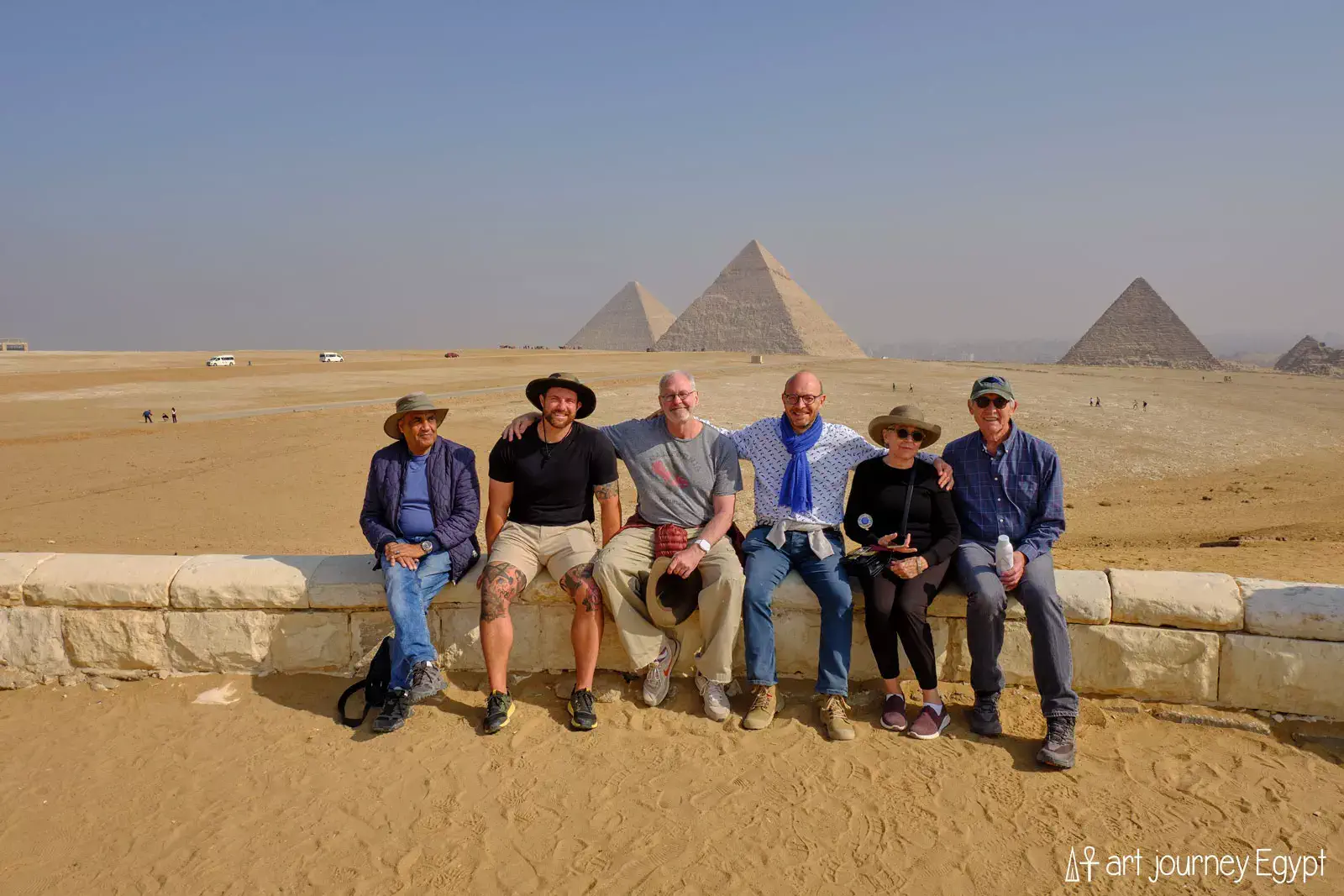
Pyramids galore. Starting the journey making sense of Saqqara and Giza pyramids. Huge thanks to the people depicted in the photos. Photo © Art Journey Egypt.
The Pace of Dreams: Time is the Ultimate Luxury
Ancient Egypt's timescale is eternity. In the 1800s, the romantic dahabiya journeys took at least two months to sail up the Nile. The 1900s steamboats depicted by Agatha Christie still took almost one month to travel along the Nile from Cairo to Aswan.
Yet today, the modern traveler is often sold the myth that three millennia of history can be compressed into a single week. A lifetime of expectations deserves better than a frantic marathon from one place to another.
To ensure your visions of pyramids, royal tombs, and temples become a vivid reality rather than a tiring blur, you need the greatest of luxuries: time.
It results in the contemplative speed enjoyed by the travelers of old, finally meeting the scale of a lifetime of anticipation.
Turning lifelong expectations into reality
Instead of being underwhelmed by pyramids and temples as if they were mere one-hour photo stops, be overwhelmed by the grandeur of ancient Egypt! One way to achieve this is through the luxury of time: three millennia of history over nearly 900 miles cannot be crammed into 5 or 7 days...
That is why a once-in-a-lifetime journey to Egypt needs 14 days or more, to allow for the discovery of all major sites that are missed by standard cruises and tours.
As visible with the photos below, we are not talking about tiny temples in the middle of the desert, but immense monuments, like Ramses II's temple in Luxor, and Abydos, one of Egypt's most beautiful temples, which are skipped by tours due to a lack of time.
Don't return home and regret having missed these wonders. Choose a journey that honors both the monumental scale of the civilization and the fact that you have waited a lifetime for it.
Marvel at pyramids and temples without the crowds
Instead of the stress of a ticking clock, enter pyramids, temples, and royal tombs alone, or nearly alone.
Avoid being crushed by crowds, be instead amazed by a quiet and intimate visit, and understand what you are looking at. Not being rushed is the Pace of Dreams, and how a lifetime of expectations becomes reality. You will gain lifelong memories during a genuine adventure along the Nile, a journey filled with conversation, learning, and laughter.
From Saqqara to Abu Simbel, a 3,000 years epic journey
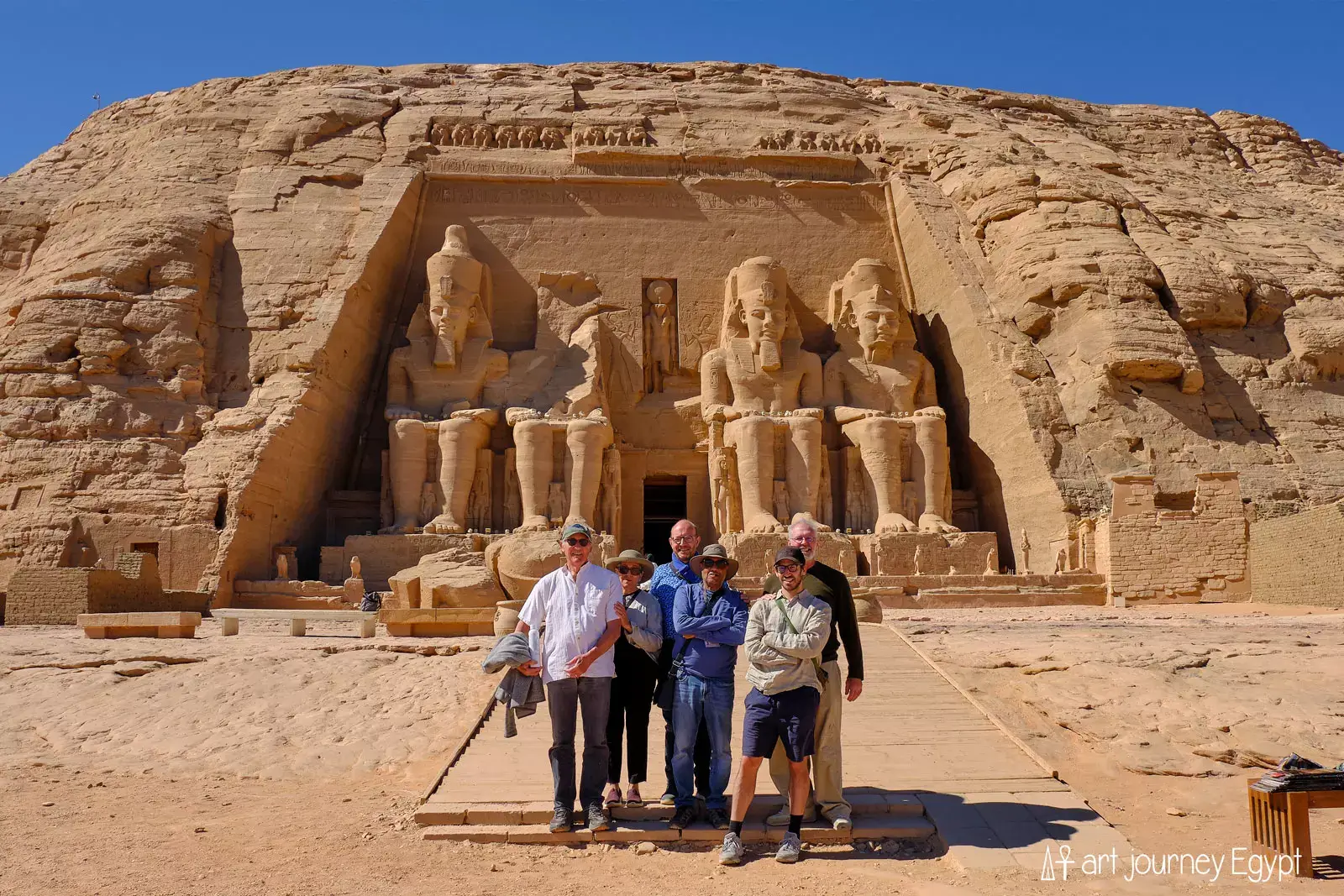
Nearing the end of the journey, at Ramses II's Abu Simbel temple. Photo © Art Journey Egypt.
The journey starts in Saqqara, with Djoser's step pyramid and the pyramid of Unas for the Pyramid Texts. We visit the Grand Egyptian Museum, the Old Egyptian Museum, as well as Old Cairo.
Then goes all the way South to Abu Simbel spanning 3,000 years from Djoser to the last hieroglyphic inscription in Philae. In between, discover a civilization aiming to live for ever, looking at eternity.
Understand the daily renewal of life with the sun circling over the Nile. The more you comprehend what the ancients did, the more amazing Egypt's monuments become.
Ancient Egyptian wonders
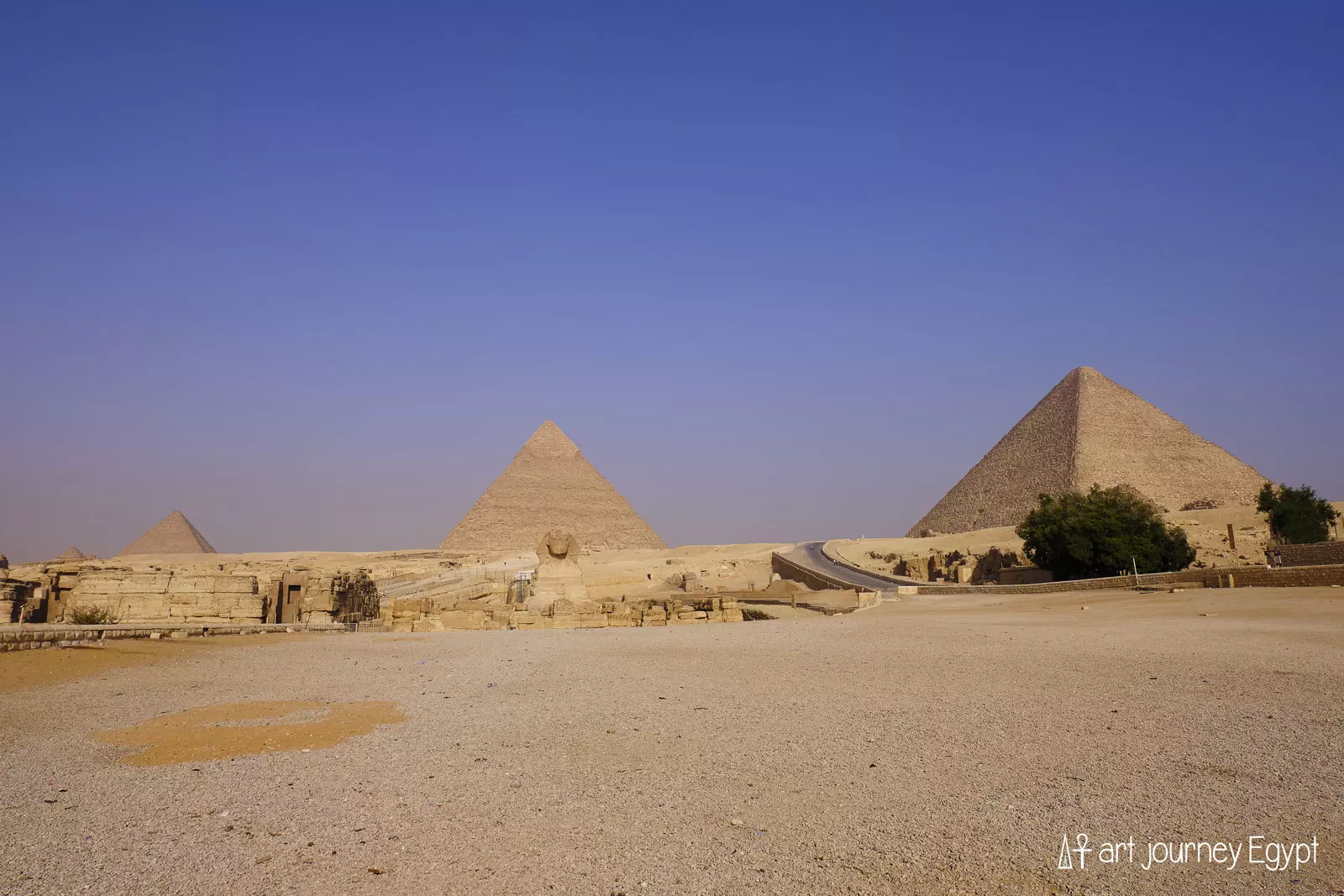
Giza plateau, Menkaure, Khafre and Khufu pyramids and the Sphinx. The only of the Seven Wonders of Antiquity still standing. Photo © Art Journey Egypt.
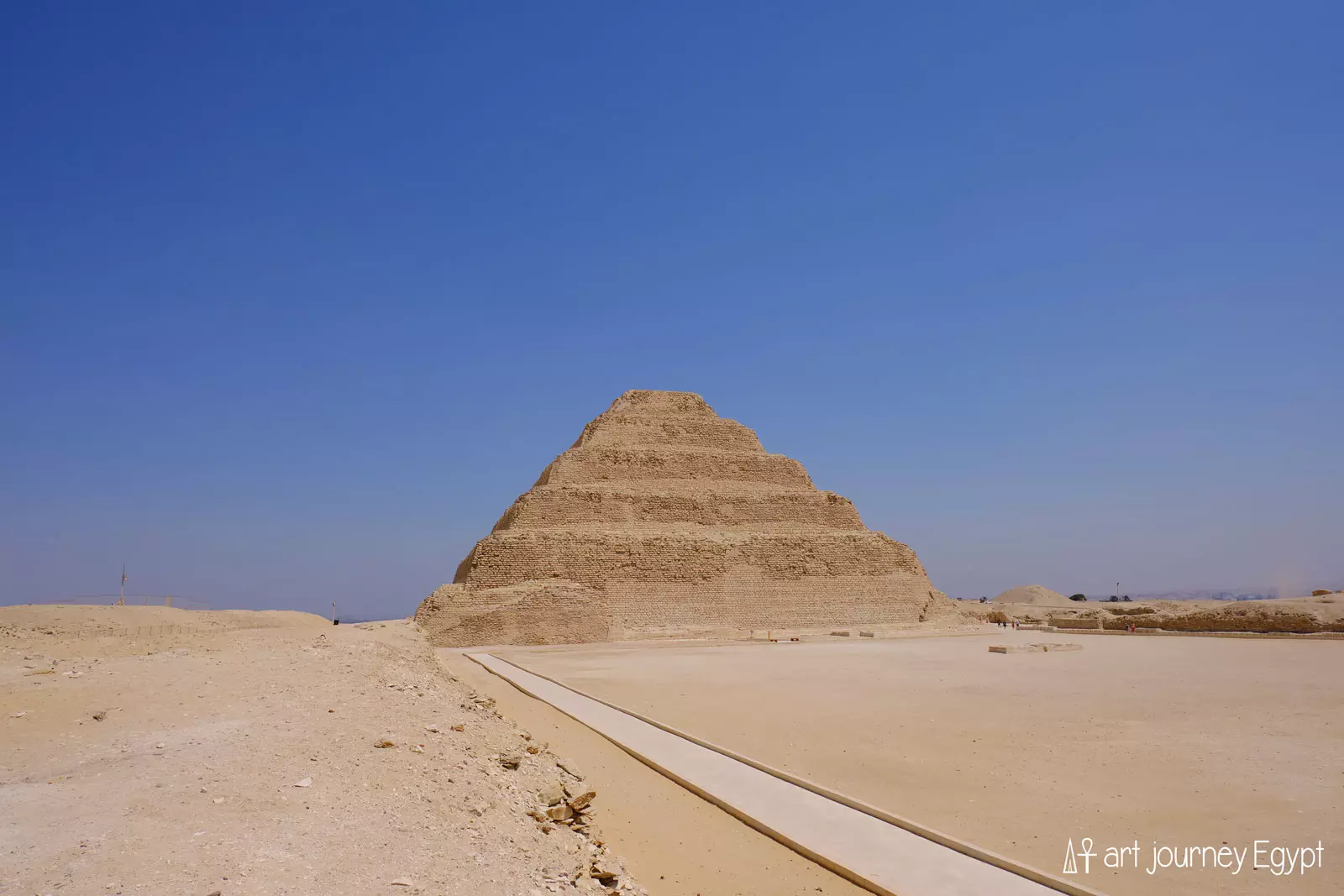
The first stone monument of Egypt, Djoser's step pyramid. Imhotep, at the first attempt, expressed the staggering ambition of the Pharaohs of the Ancient Kingdom. Photo © Art Journey Egypt.
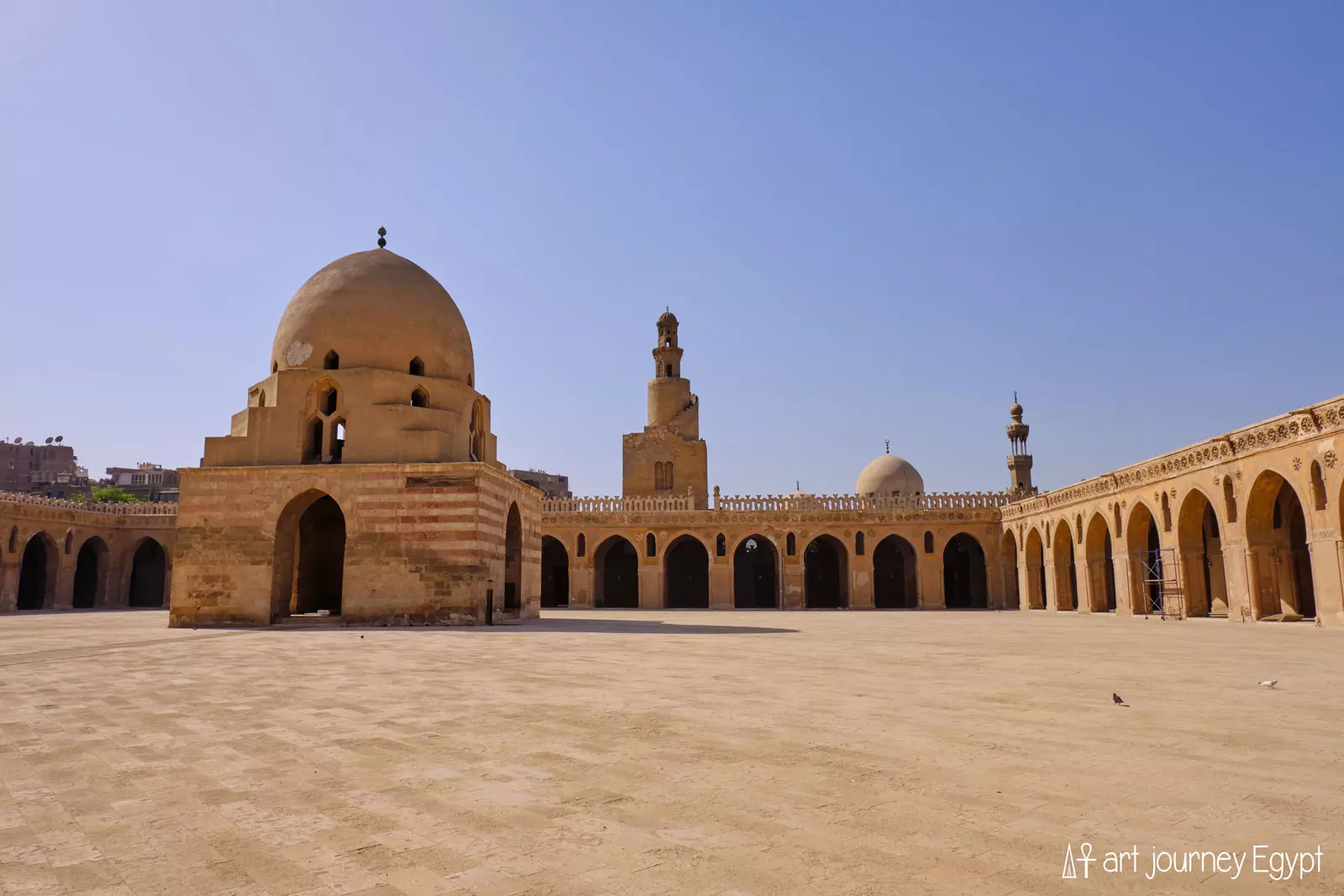
Before leaving Cairo, one should admire its medieval monuments, starting by the magnificent Ibn Tulun mosque. Photo © Art Journey Egypt.
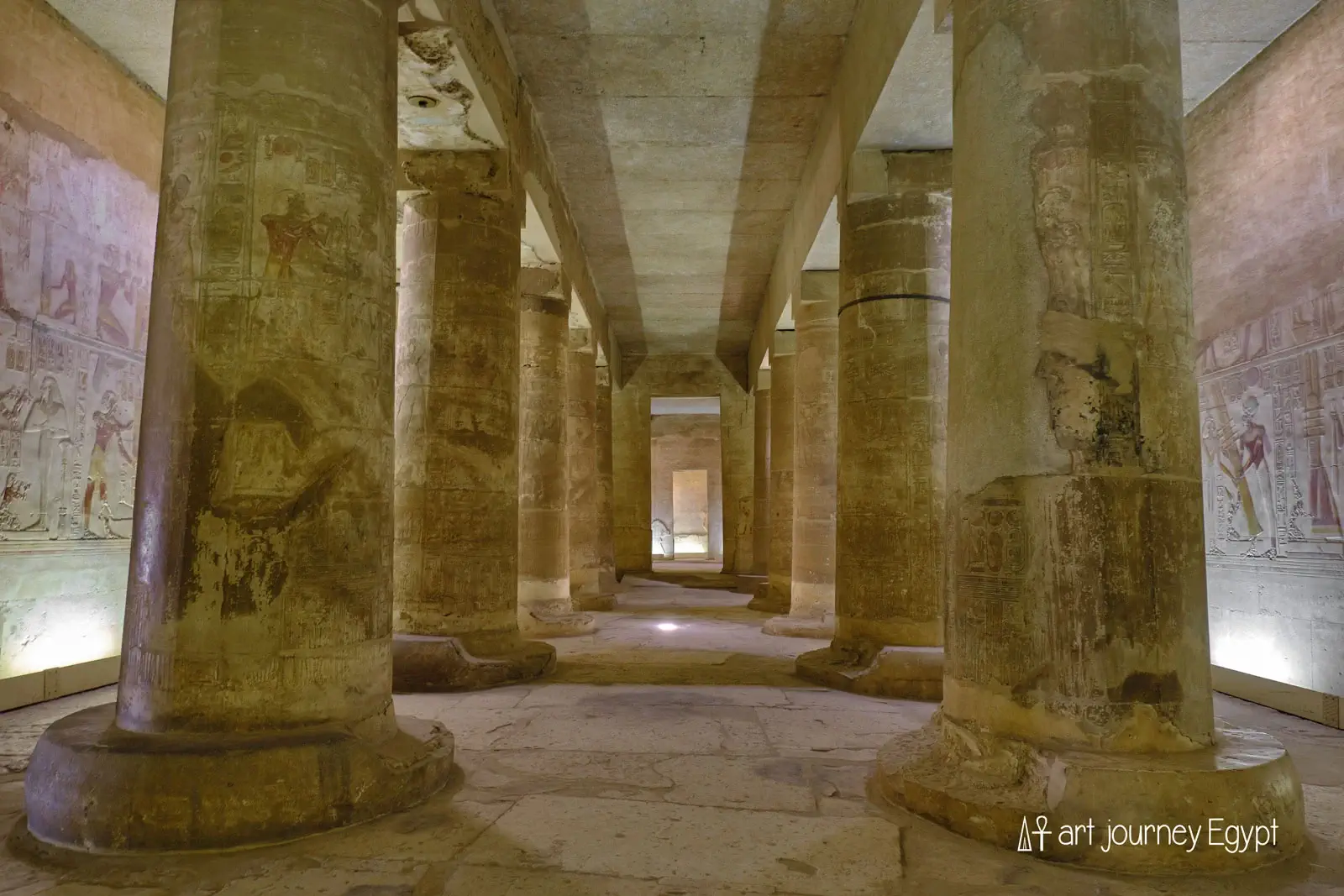
One of Egypt's greatest artistic wonders, the temple of Sethi I at Abydos. Photo © Art Journey Egypt.
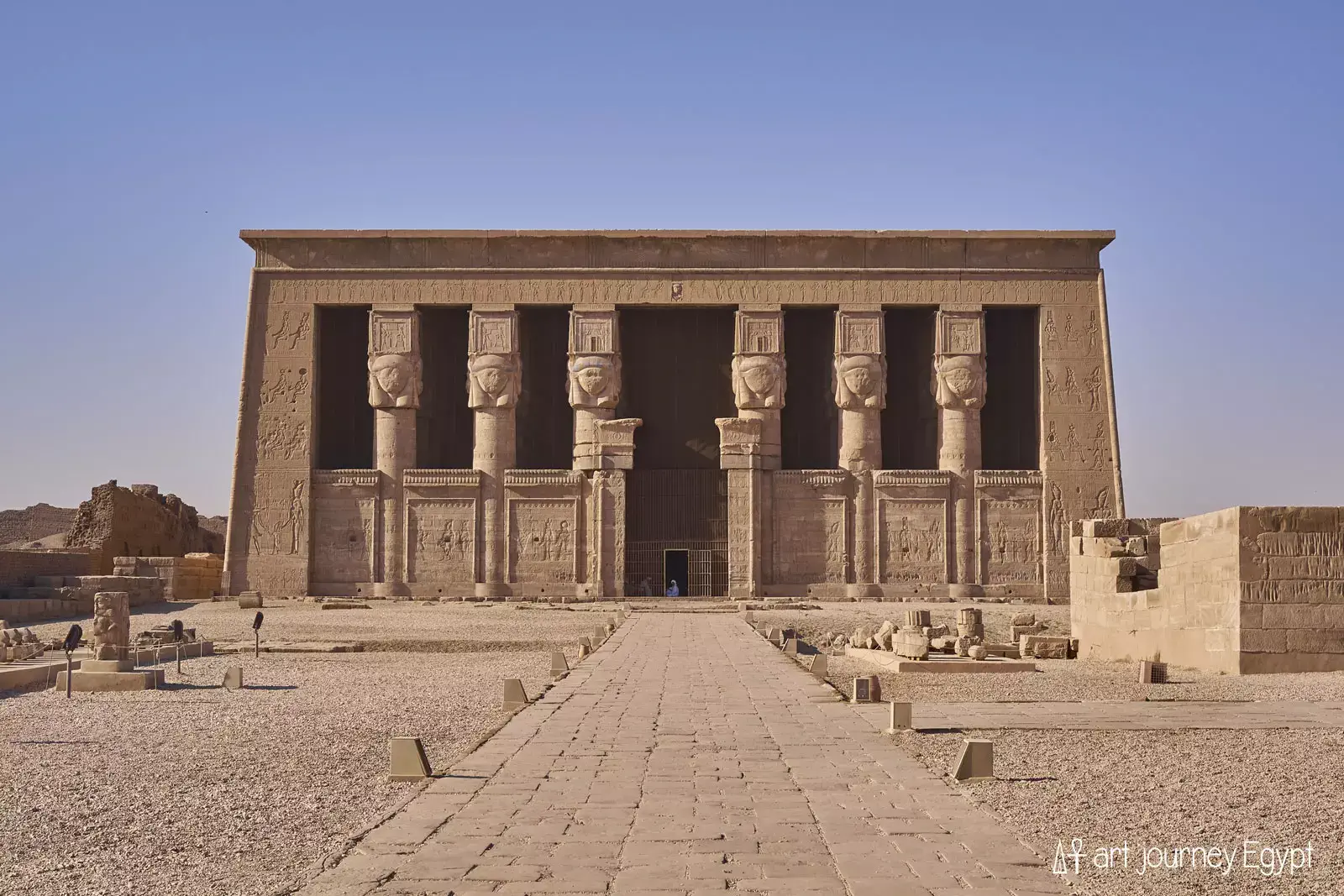
The temple of Dendera. Photo © Art Journey Egypt.
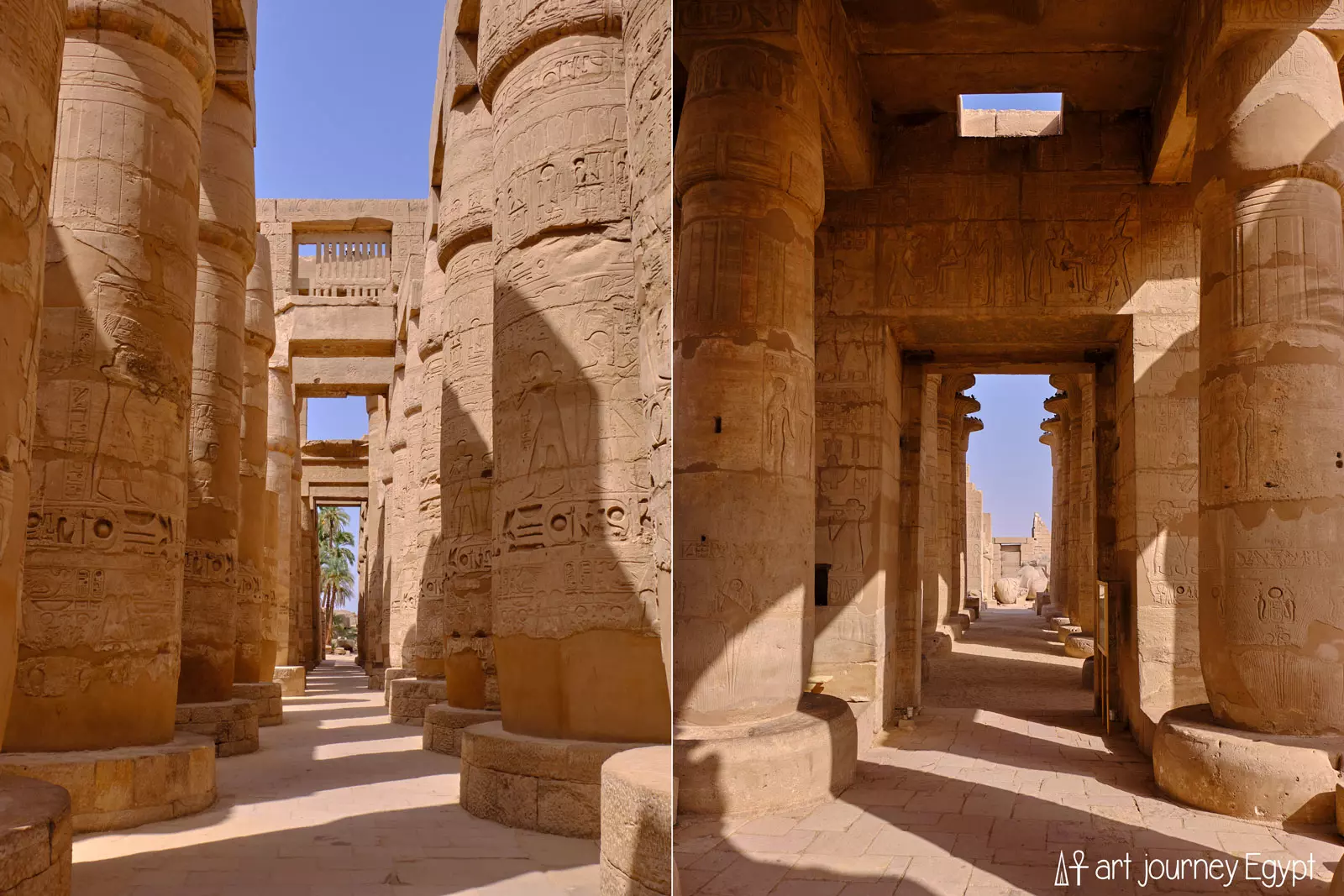
The temples of Karnak and the Ramesseum. Both are important, one is visited by all tours, the other isn't. Photo © Art Journey Egypt.
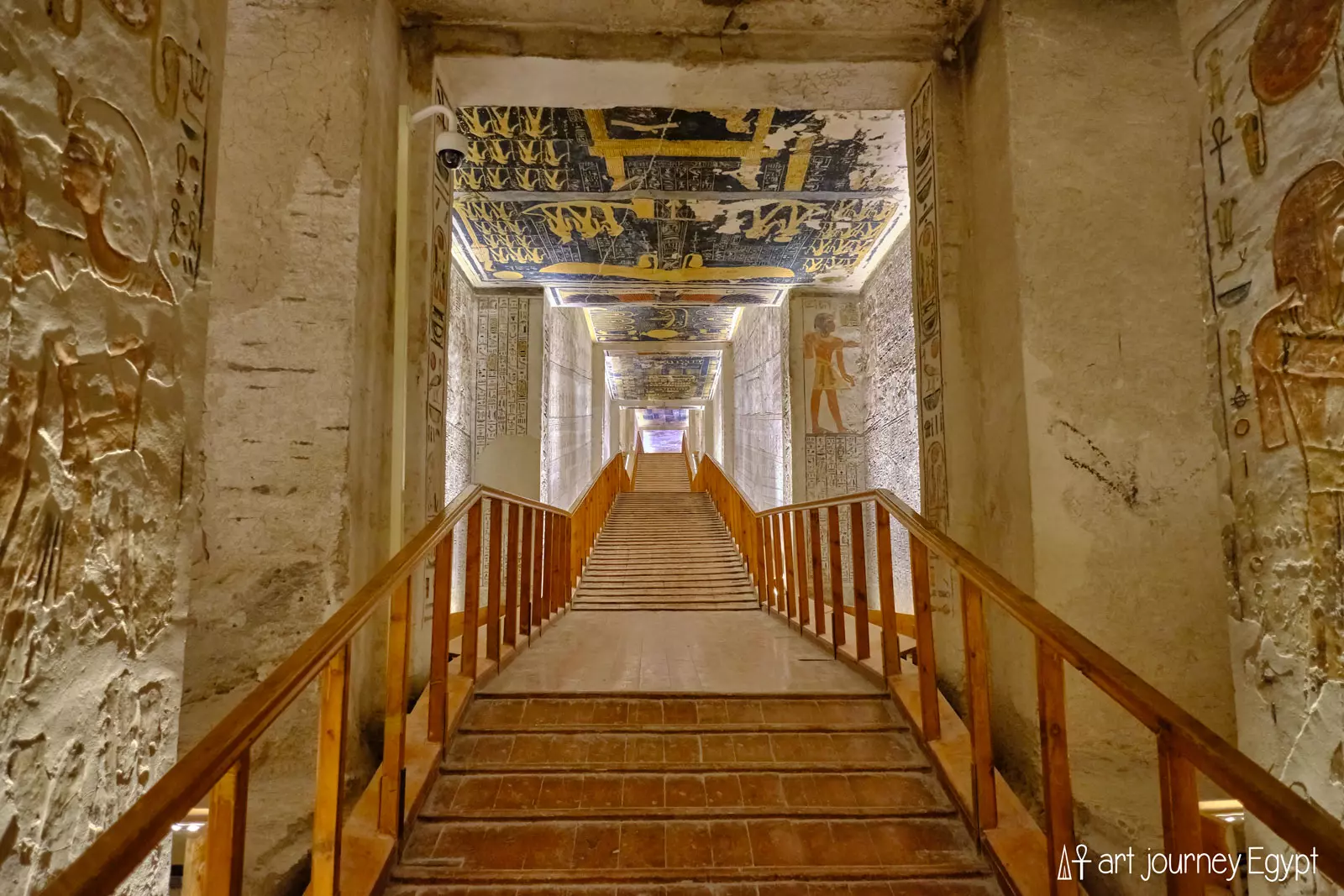
Valley of the Kings Royal tombs. Photo © Art Journey Egypt.
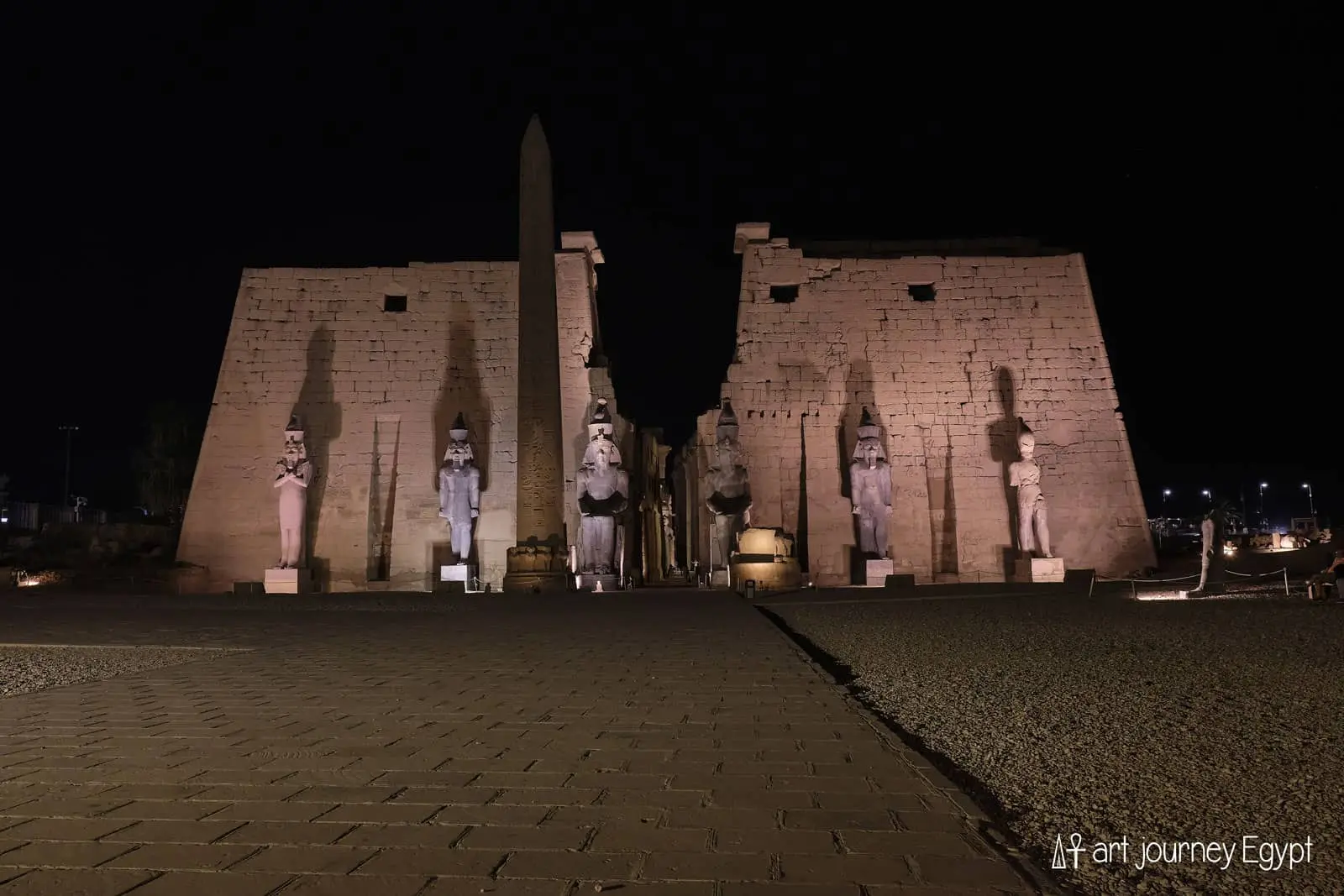
The temple of Luxor at night. Photo © Art Journey Egypt.
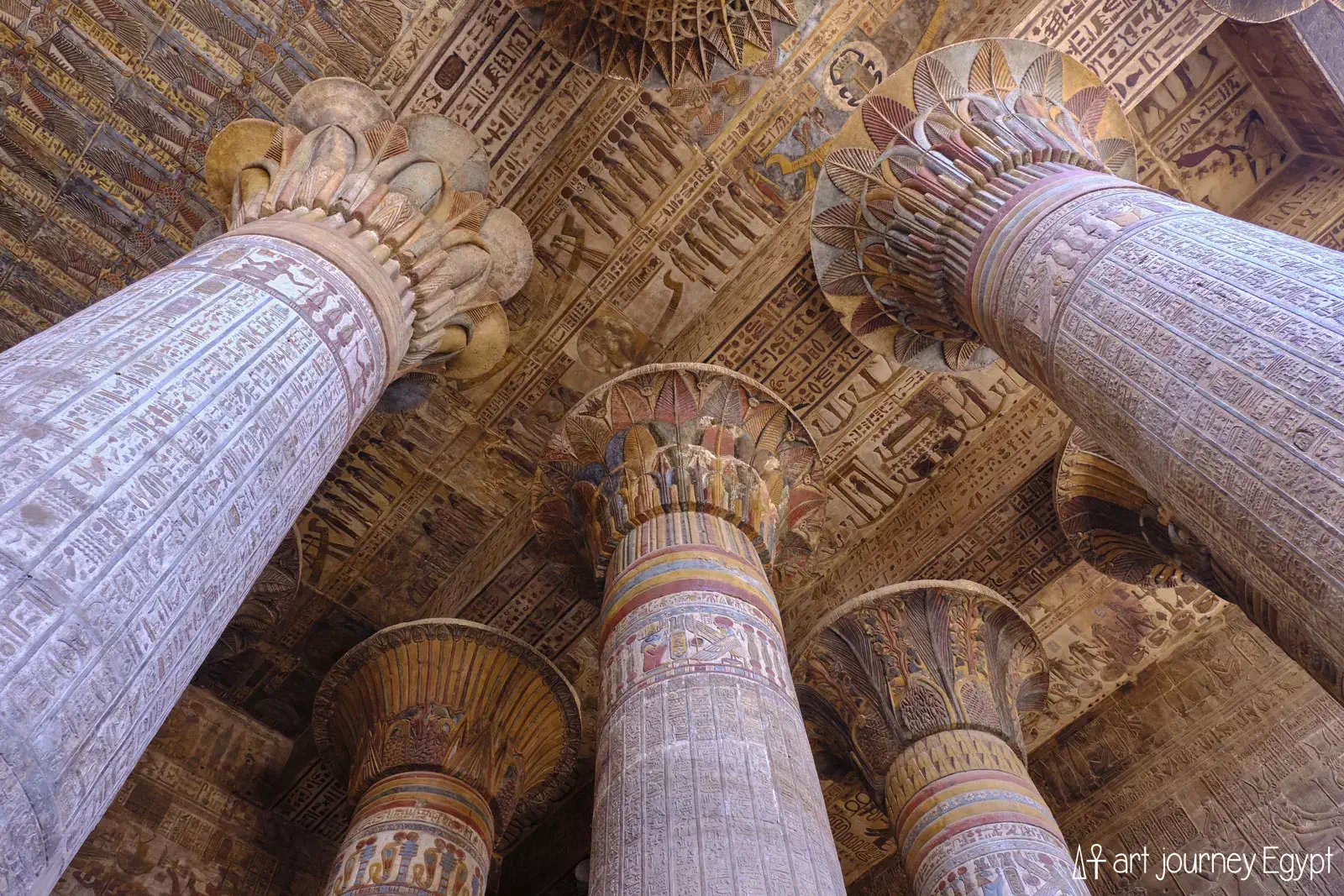
The colors of Esna's temple. Photo © Art Journey Egypt.
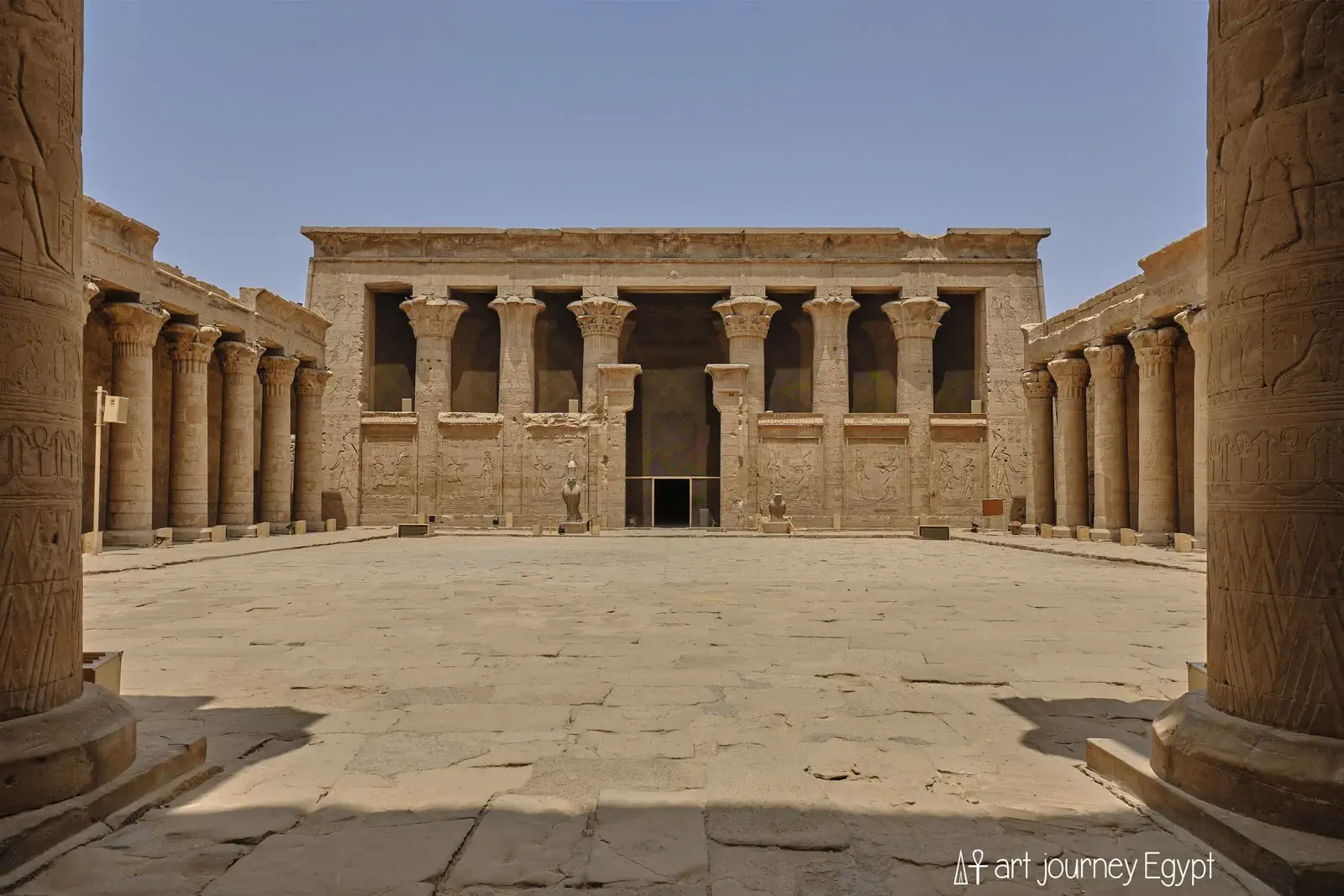
The temple of Horus in Edfu. Photo © Art Journey Egypt.
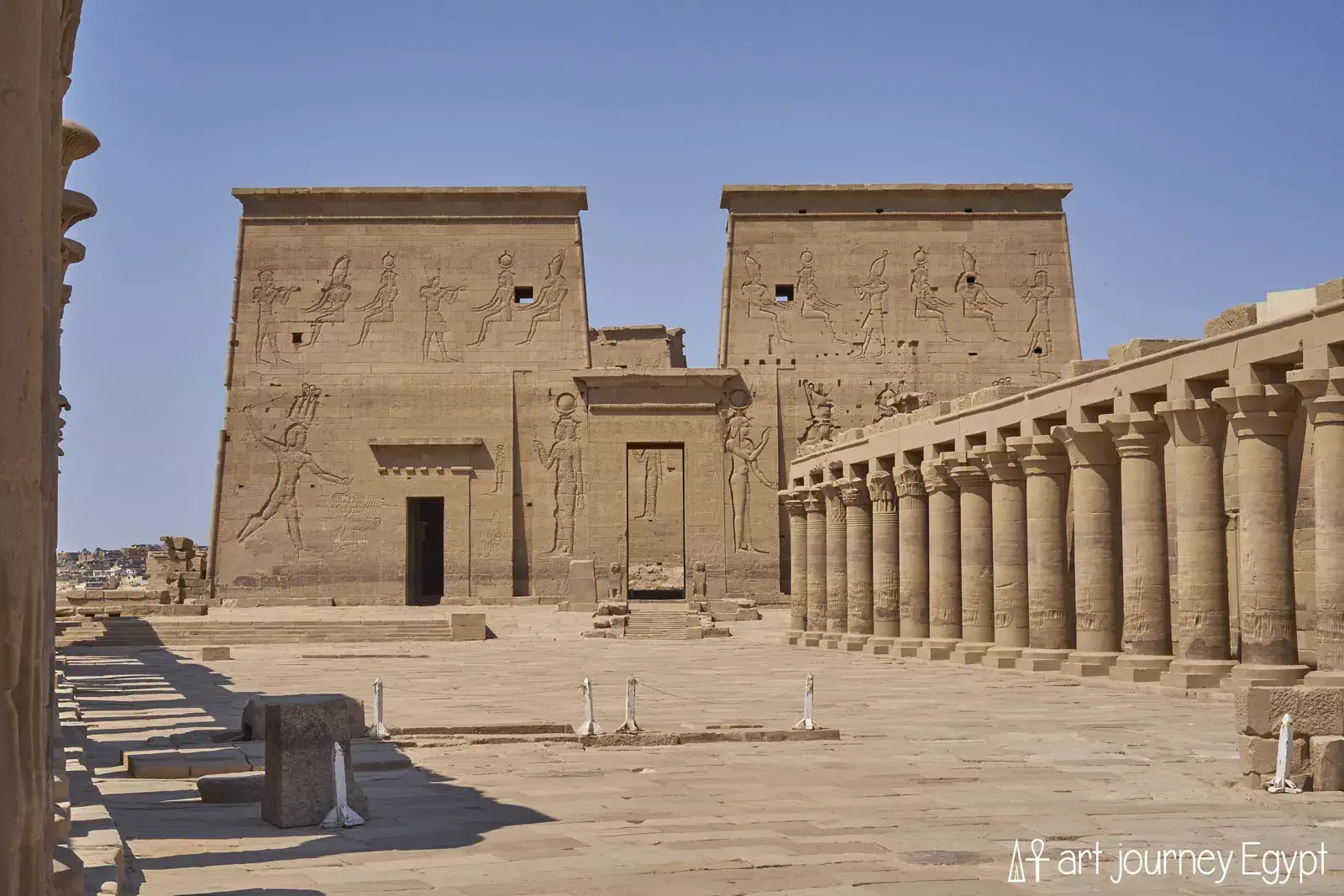
A private tour spanning all the ancient civilization, from the first pyramid to the last hieroglyphic inscription three millennia later. Philae temple. Photo © Art Journey Egypt.
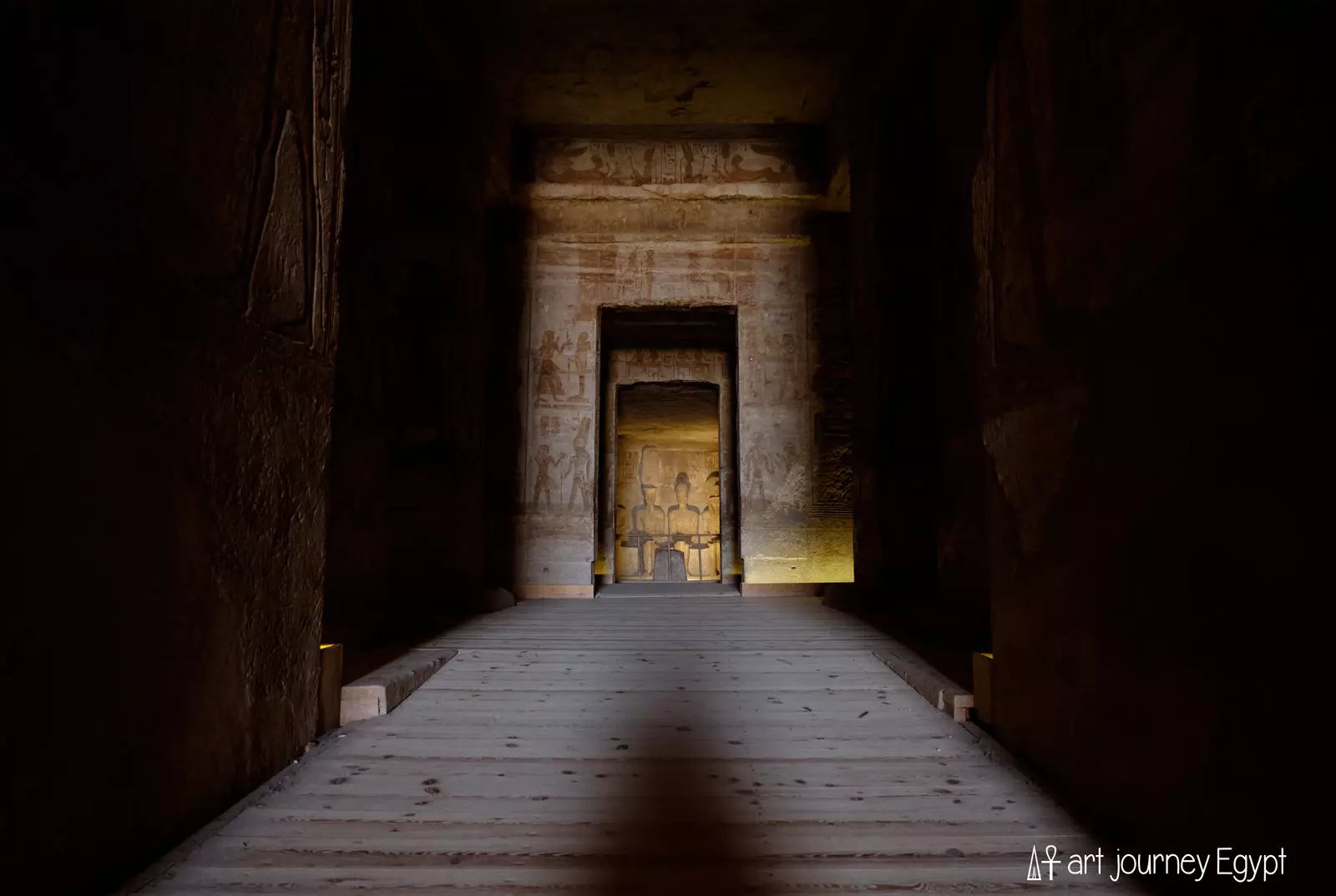
Walking towards the gods inside Abu Simbel temple, Ptah, Amun-Ra, Ramses, and Ra-Horakhty. Photo © Art Journey Egypt.